
Cart
0
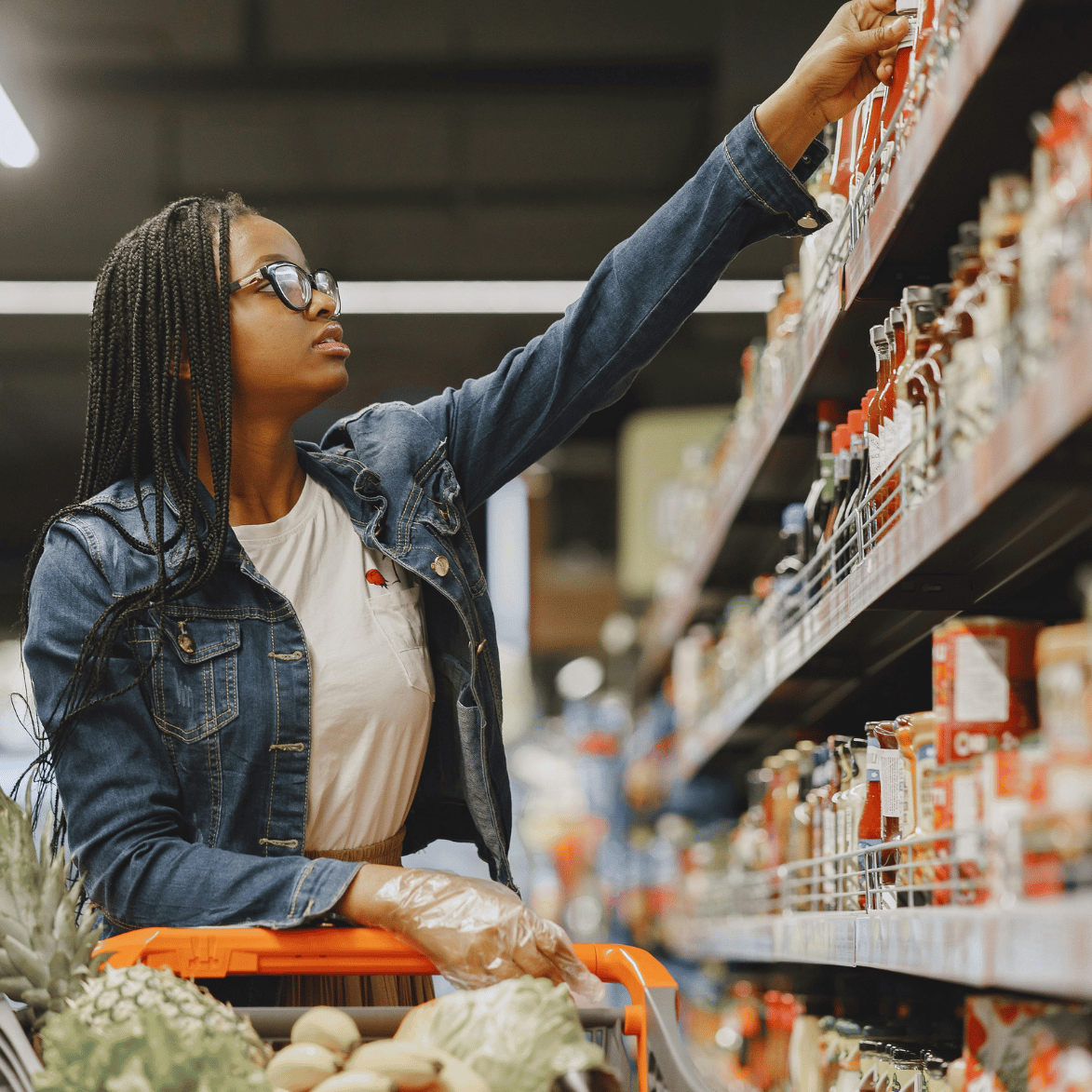
If you've bought a bag of avocado oil chips or a bottle of avocado oil mayo lately, there's a good chance it wasn't quite what the label promised.

A new study out of UC Davis, published this month, tested 54 processed foods labeled as made with avocado oil — chips, salad dressings, and mayonnaises from well-known brands. The results:
- 48 of 54 products contained cheaper substitute oils like canola or safflower blended in with the avocado oil.
- Every single salad dressing tested failed purity checks.
- 93% of chips and 71% of mayonnaises labeled "avocado oil" also contained other oils.
- Shoppers are paying, on average, more than 500% more for these products versus versions made with conventional oil — without reliably getting what they paid for.
Lead researcher Selina Wang, a food science professor at UC Davis, put it plainly: most of this isn't even coming from the brands trying to deceive anyone. It's happening further up the supply chain, where oil gets sourced from third-party brokers and blended before it ever reaches a bottling facility. Without independent lab testing, nobody down the line — including the company whose name is on the label — necessarily knows.
This Isn't New. It's Just Avocado Oil's Turn.
Here's the part that should catch your attention if you're a specialty oil shopper: the same researchers ran identical tests on 20 olive oil-labeled products in the study. Only one failed.
That's not a coincidence. Olive oil has spent more than a decade under intense scrutiny — international grading standards, third-party lab testing, and certification bodies that actually verify what's in the bottle before it's allowed to carry a label like "extra virgin." Avocado oil, riding a wave of "better-for-you" demand over the last several years, simply hasn't had the same infrastructure built around it yet. The category boomed faster than the accountability did.
And this isn't avocado oil's first time here, either. A 2020 UC Davis study found 82% of commercially bottled avocado oils were rancid or blended. A follow-up study found the same for 70% of private-label bottles. This new study just confirms the problem has moved from raw bottled oil into the processed foods made with it.
What Adulteration Actually Looks Like
When people hear "oil fraud," it's usually one of a few things:
- Blending — cutting an expensive oil with a cheaper one and labeling the product as pure
- Mislabeled origin — claiming a region or source that isn't accurate
- False grading claims — calling something "extra virgin" or "cold-pressed" when it hasn't earned that designation
- Rancidity sold as normal — oil that's degraded before it even hits the shelf, with no way for a shopper to detect it by eye
The common thread: none of this is something you can catch by reading a label. It takes lab testing — the same kind UC Davis used here — to actually verify what's in the bottle.
How to Actually Verify What You're Buying
You can't out-shop fraud with instinct alone. What you can do is look for oils that have already been through independent, third-party verification — not just a company's own claims.
That's the entire reason UP Certification exists. It's an independent lab testing program that verifies an olive oil is genuinely extra virgin, checks it against purity and quality benchmarks, and catches exactly the kind of blending and mislabeling this study is describing — before the bottle ever reaches you.
Every Redstone Olive Oil product carries UP Certification. Not because we're asking you to take our word for it, but because we'd rather you not have to.
Browse our UP-Certified lineup →
Sources: Wang, S. et al., "Authenticity of avocado and olive oils used as ingredients in commercially processed foods," Applied Food Research, Vol. 6, Issue 2 (2026), ScienceDirect. Reporting via Mary Whitfill Roeloffs, "The Avocado Oil Boom Has A Fraud Problem, New Study Suggests," Forbes, July 15, 2026.


